The best XLR microphones depend on whether you want a straightforward vocal mic, a desktop recording setup, or one that can also connect by USB. Compare connection type, included accessories, and onboard controls to find a microphone that fits your recording space and workflow.
Quick Top Products
Samson Q9U
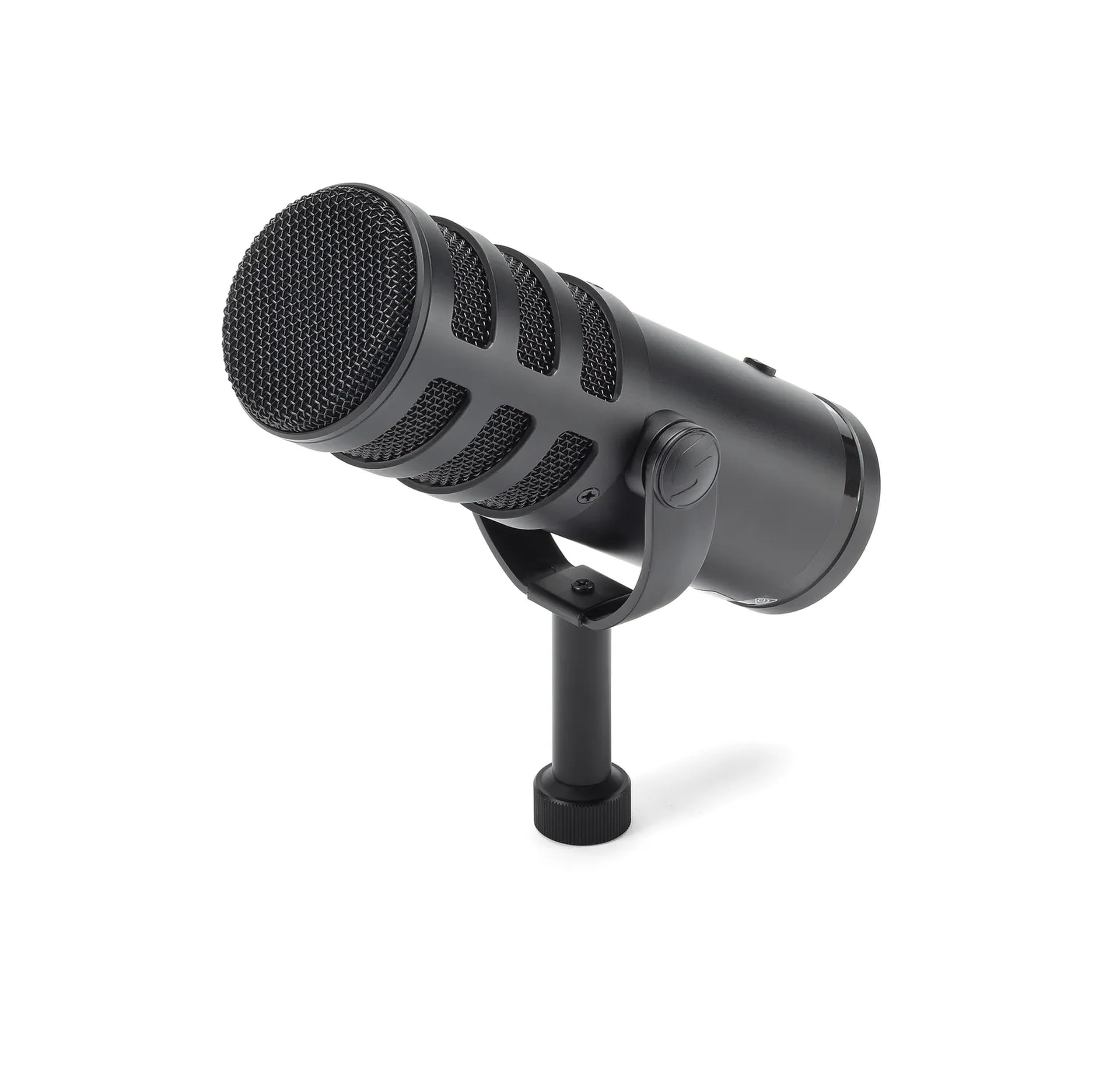
- Connect by XLR or USB-C, with 24-bit/96kHz digital audio over USB.
- Monitor through headphones with zero latency and mute either output.
- Cardioid pickup, an internal shock mount, and a dual-layer windscreen support speech recording.
Best For: Podcasters and broadcasters who want XLR and USB-C recording with onboard monitoring.

Samson Q2U
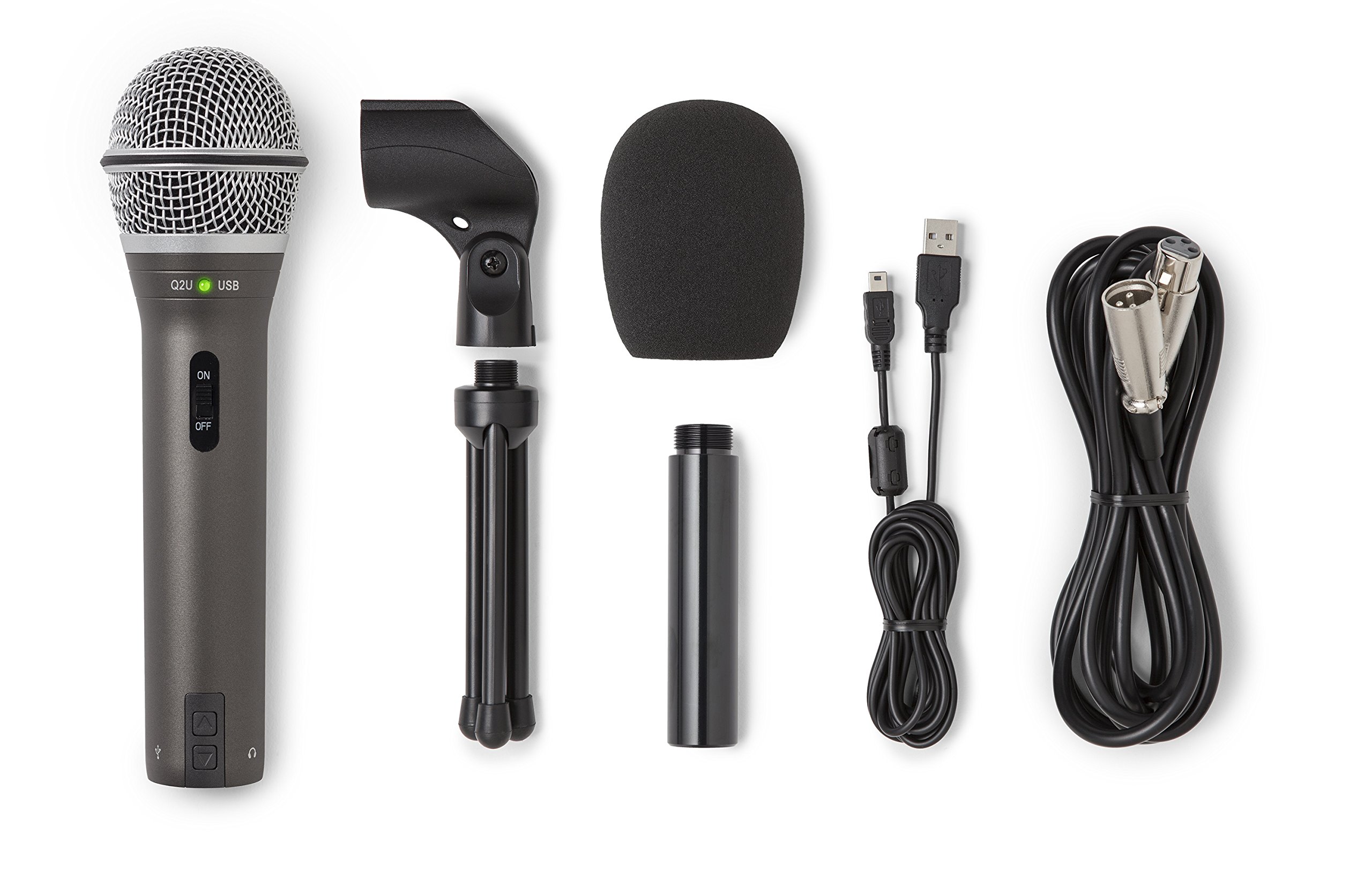
- Handheld dynamic design with XLR and USB-C plugs.
- Connects directly to a computer with a USB-C interface.
- Includes a desktop tripod stand, windscreen, and both connection cables.
Best For: New podcasters who want a handheld XLR and USB-C mic with a desktop stand and cables.
MAONO PD400X
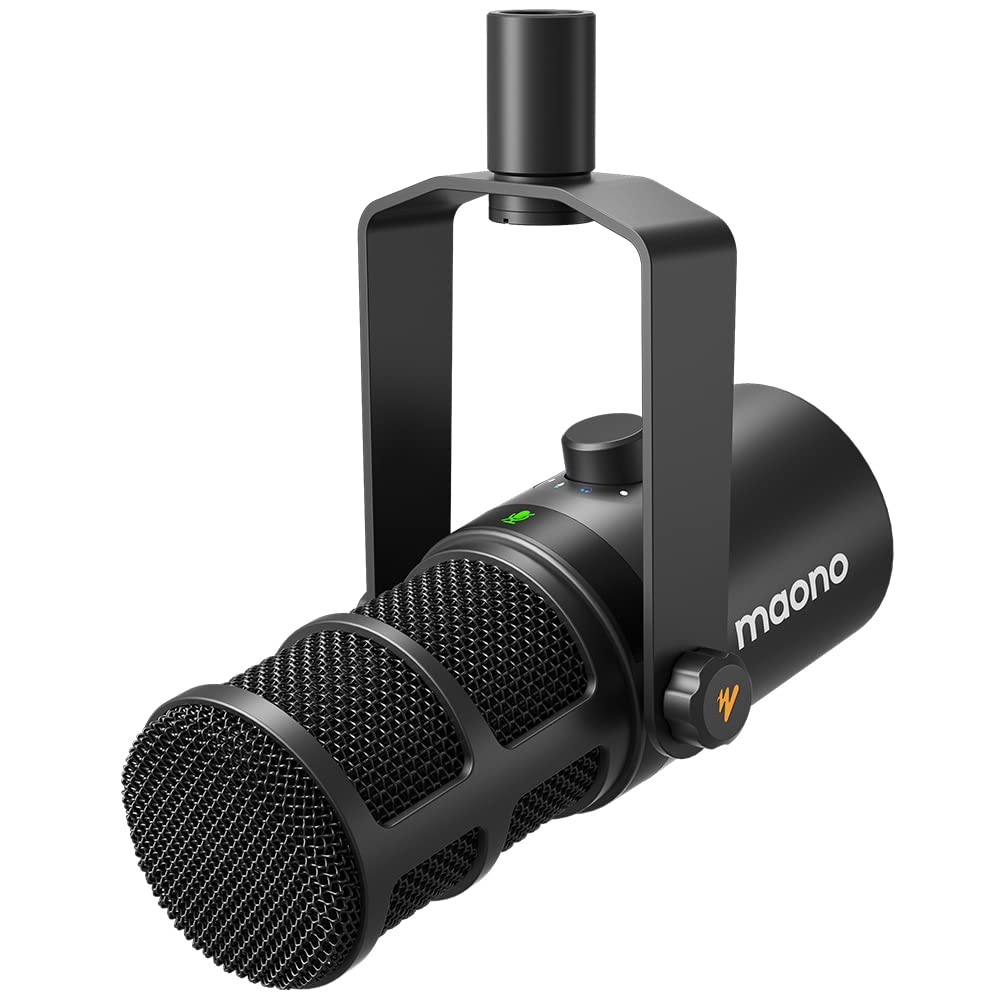
- Provides USB and XLR outputs for computer or audio equipment.
- MAONO Link includes EQ, limiter, and compressor adjustment.
- The 3-in-1 knob controls gain, headphone volume, and monitor mix.
Best For: Podcasters who want USB and XLR connectivity plus software EQ and monitoring controls.
MAONO PD300X
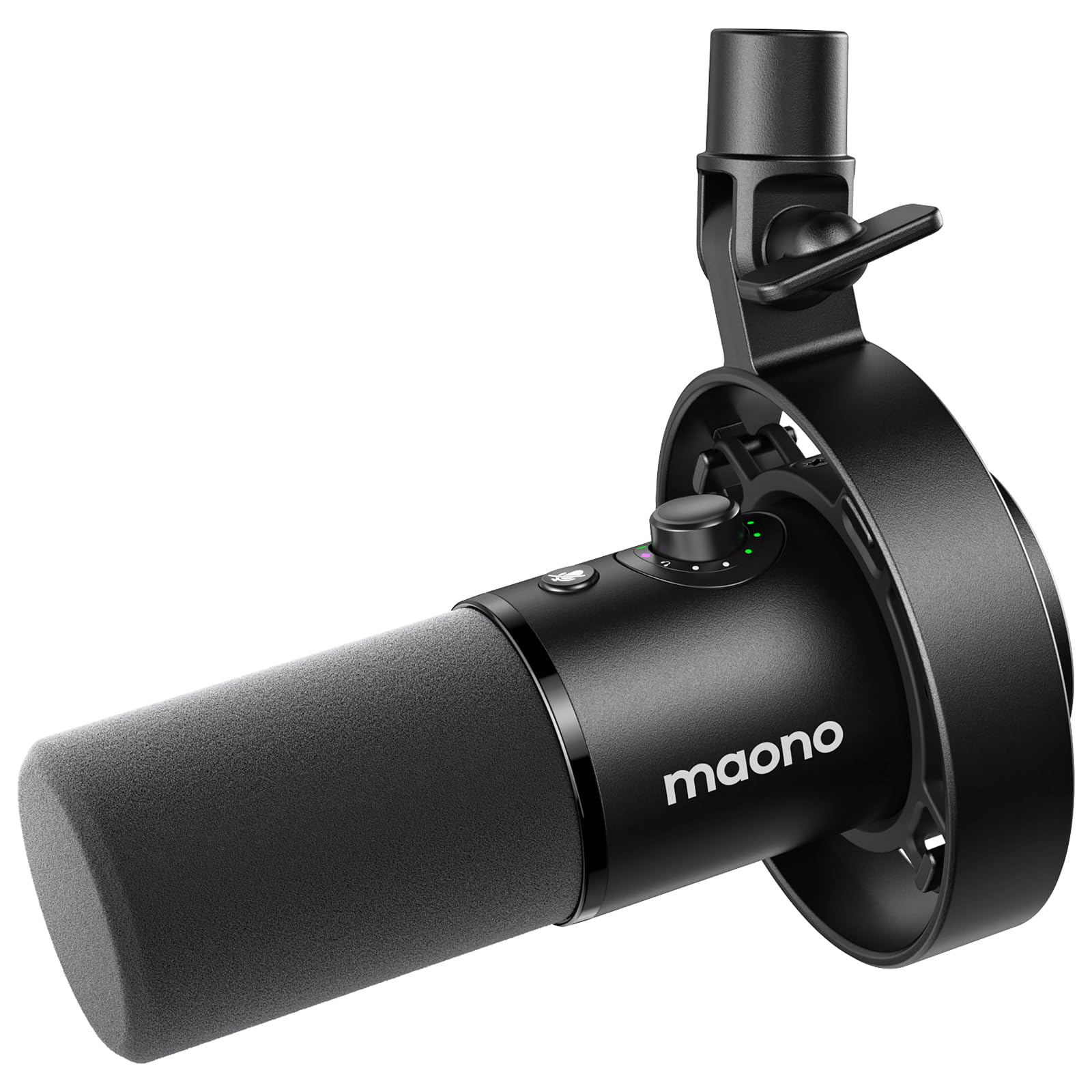
- Supports USB and XLR connections and gives a 192kHz/24bit sampling rate.
- MAONO Link includes a visual EQ and filters, limiter, and compressor controls.
- Four preset modes and a smart knob support quick workflow adjustments.
Best For: Creators who want USB/XLR connectivity, four preset modes, and extensive software sound shaping.
MAONO PD200XS
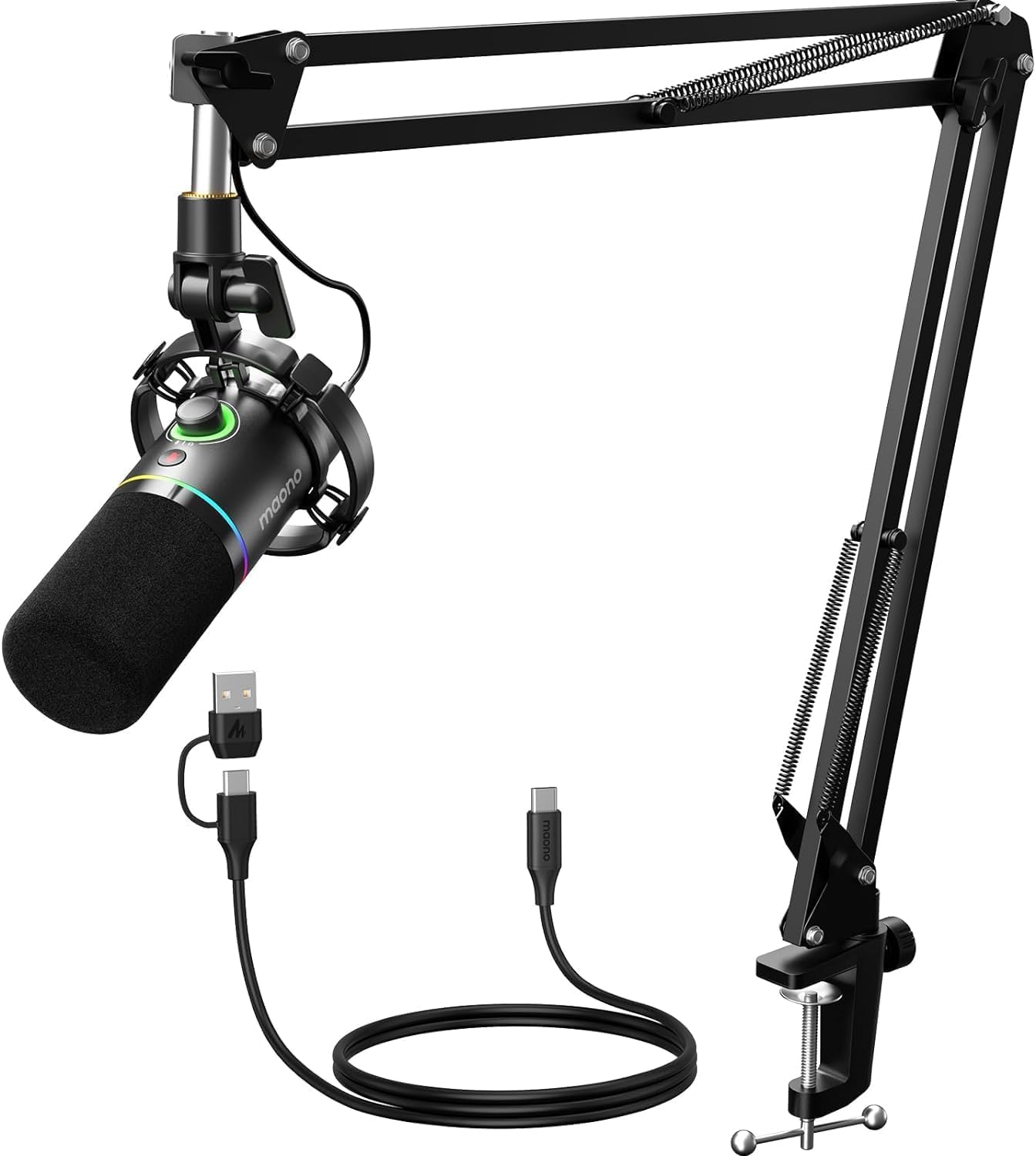
- USB and XLR connections support computer and audio equipment setups.
- The kit includes an adjustable boom arm and shock mount.
- USB software provides EQ, limiter, compressor, and RGB options.
Best For: Streamers and podcasters who want a dual-connection mic kit with boom arm and USB software controls.
FIFINE AmpliGame AM8W
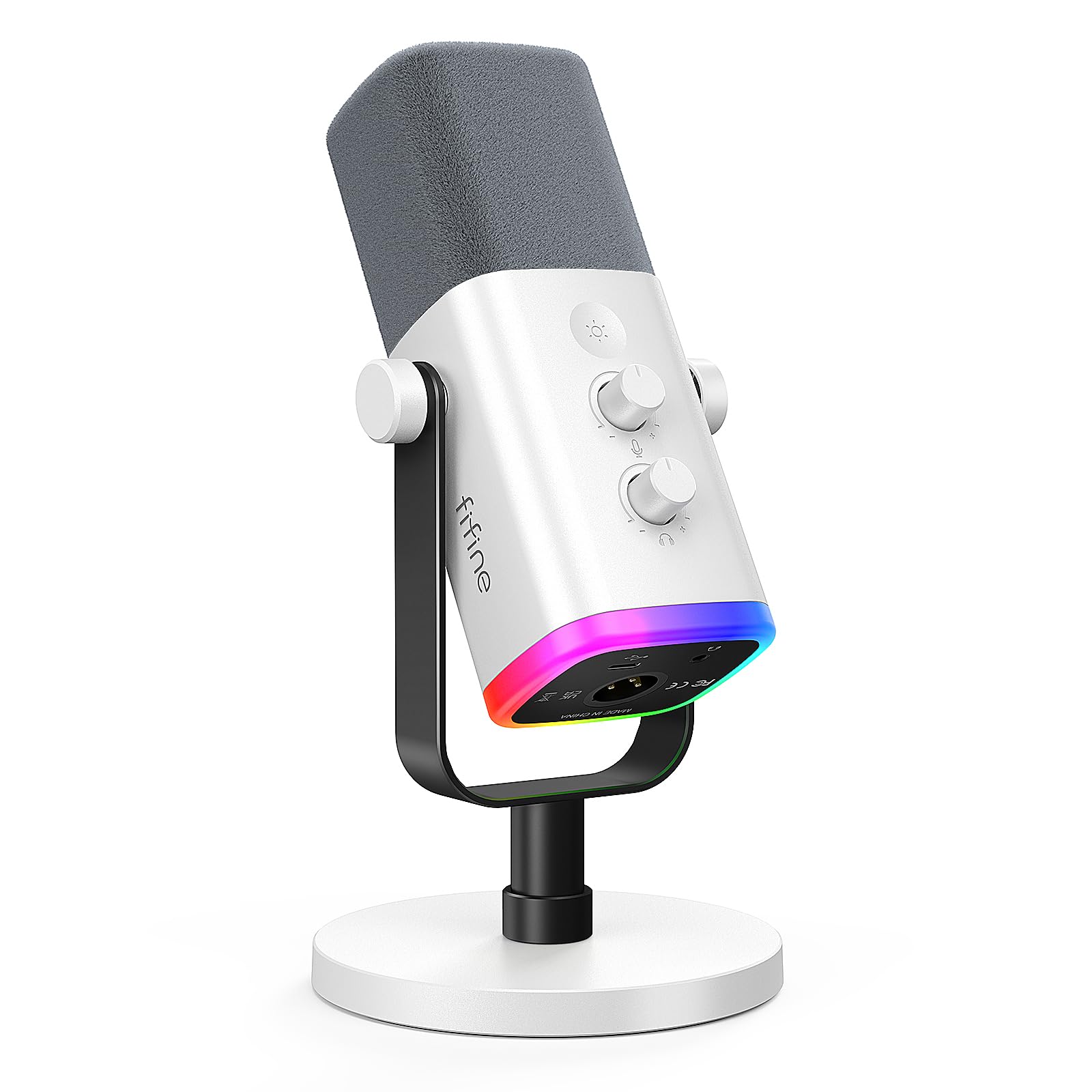
- Connects over USB or XLR to a computer or audio equipment.
- USB use enables RGB, mute, gain, and headphone controls.
- The recommended recording range is 2 to 6 inches.
Best For: White gaming and streaming desks that need a USB/XLR mic with onboard USB controls.
FIFINE AmpliGame AM8T
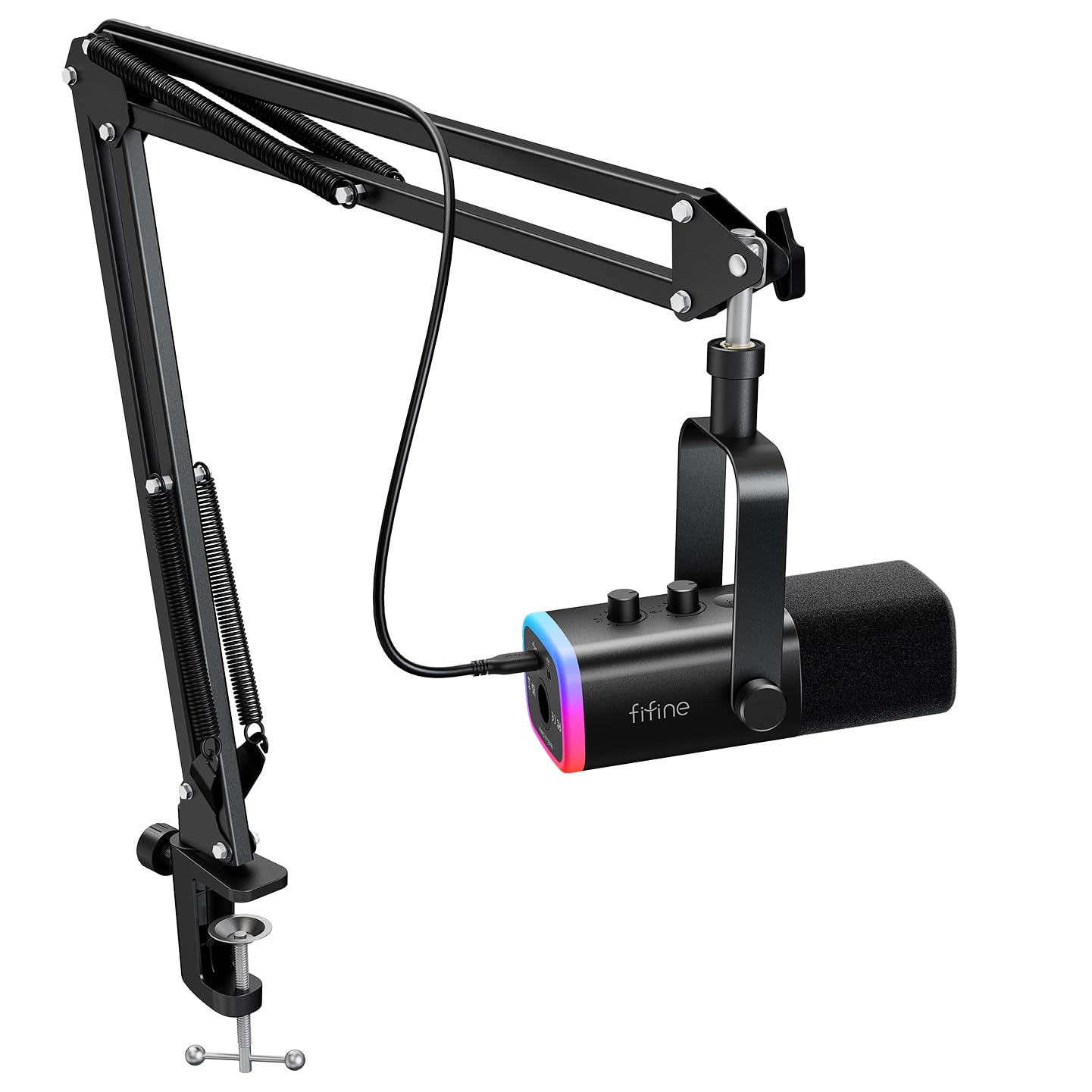
- Includes a dynamic microphone and boom arm stand.
- USB provides plug-and-play computer use and control features.
- The desk clamp fits a desktop thickness under 2 inches.
Best For: Streamers who need a boom arm, USB controls, and an XLR path for future equipment.
FIFINE AmpliTank K688
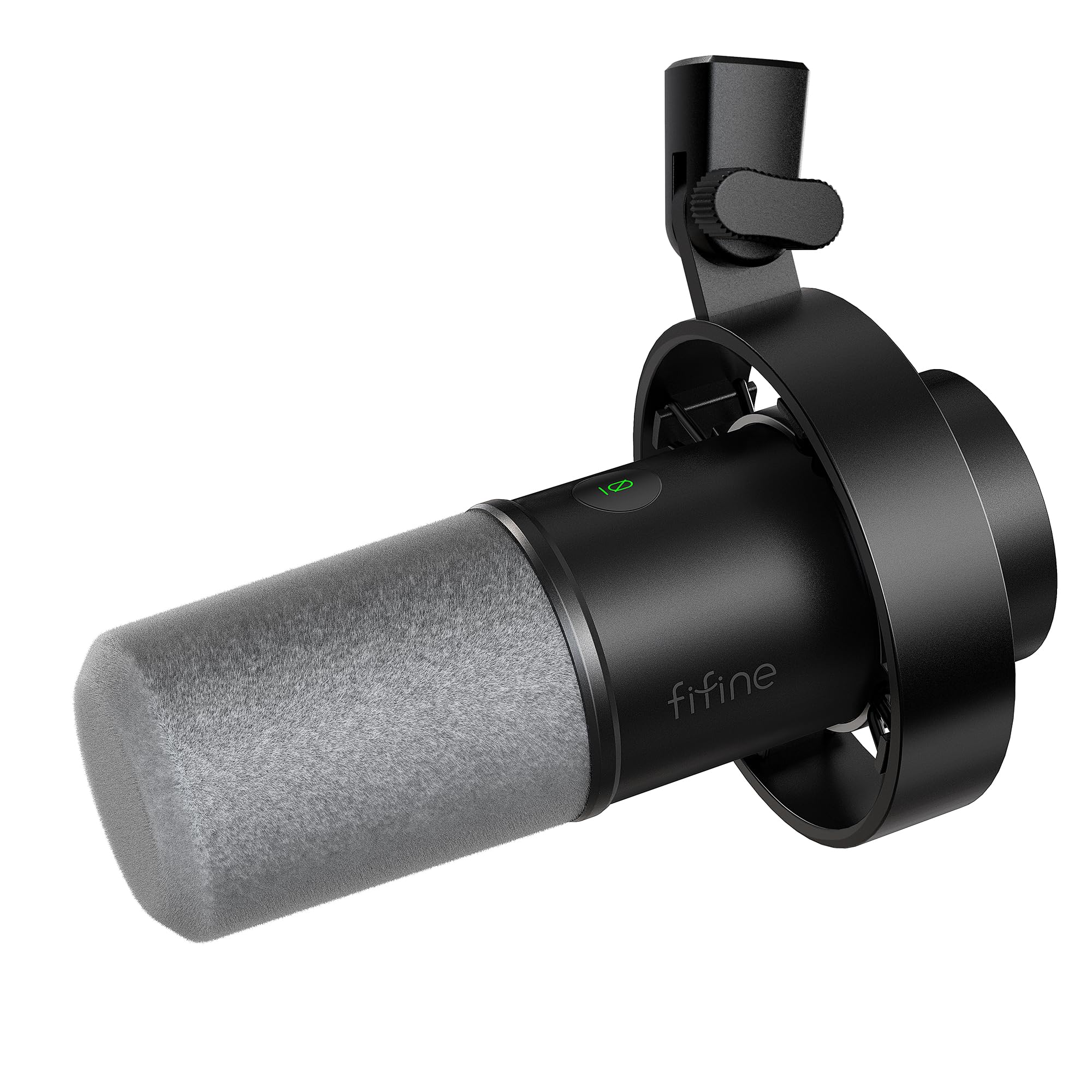
- Offers USB and XLR connections for computer or studio use.
- USB mode includes mute, gain, and real-time headphone monitoring.
- Includes a shock mount, windscreen, USB cable, and thread adapter.
Best For: Home podcasters who want USB/XLR flexibility, a shock mount, and onboard monitoring controls.
FIFINE AmpliTank K688P
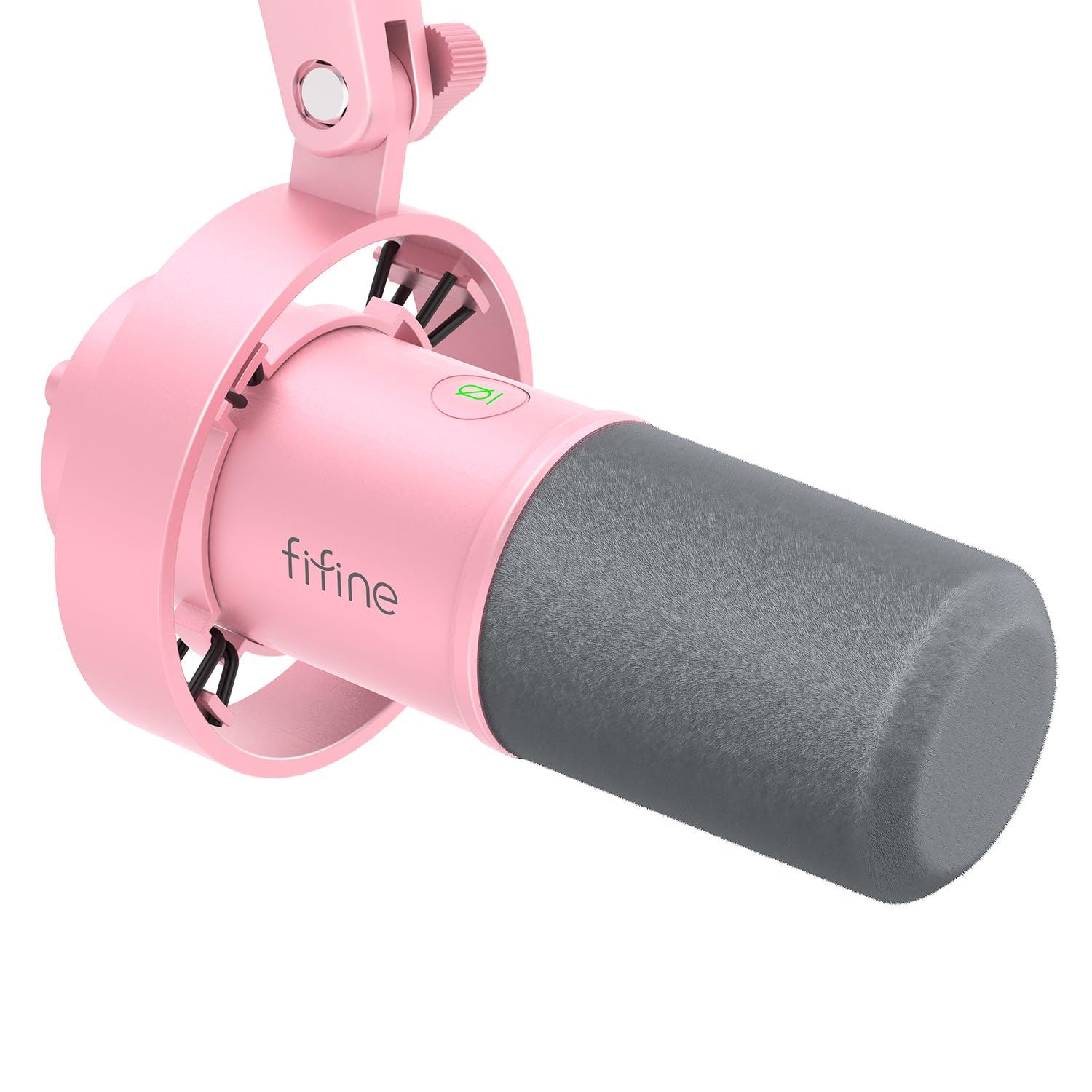
- Supports both USB and XLR connections for different recording setups.
- Includes a shock mount and windscreen for the mic.
- USB mode provides mute and headphone monitoring controls.
Best For: Voice-over and podcast creators who want a USB/XLR mic with a shock mount and close monitoring.
MAONO PD100
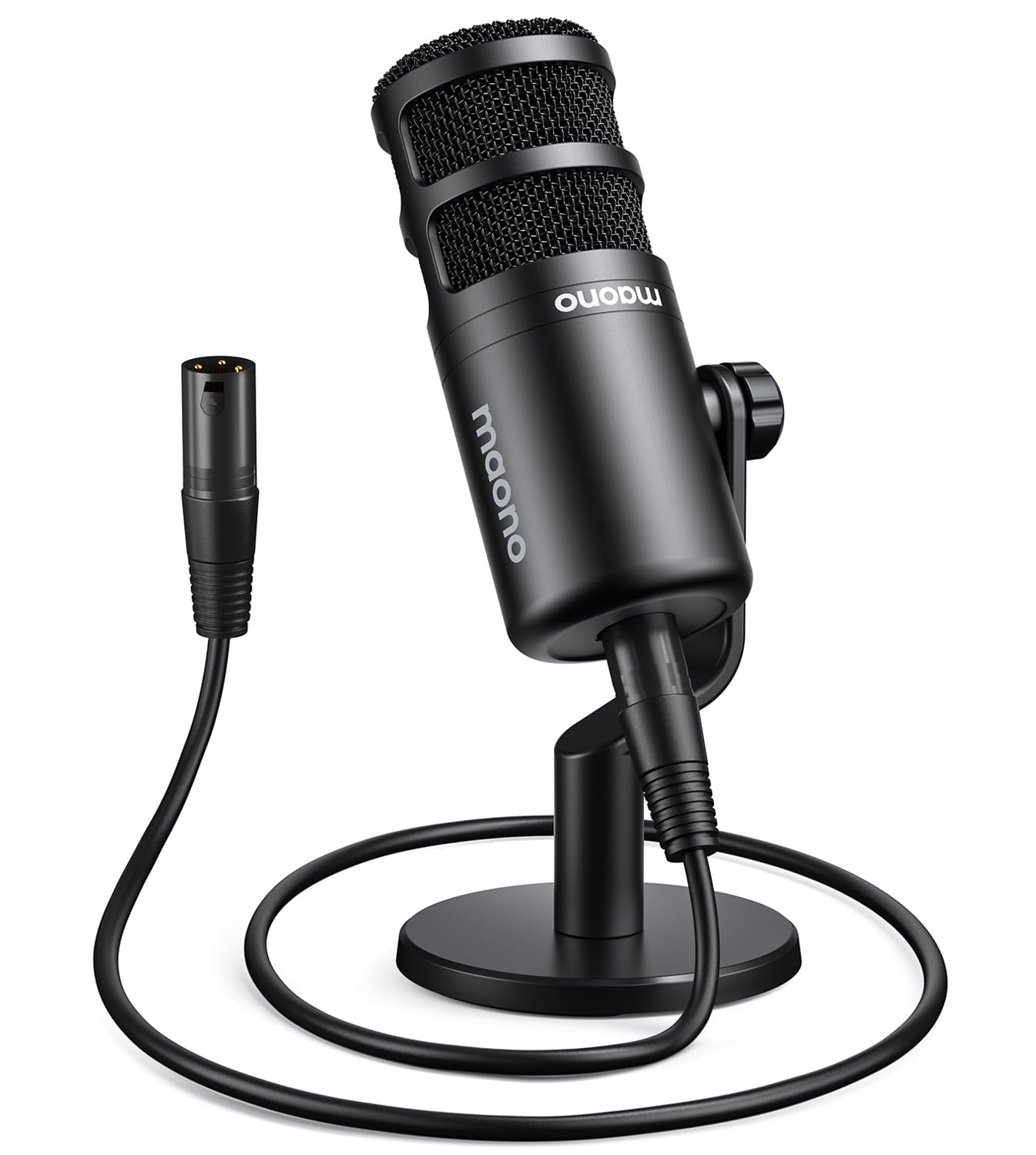
- Uses XLR and is intended for an audio interface or mixer.
- The package includes a desktop stand, extender, base, and XLR cable.
- Has a cardioid pattern and inner double-layer pop filter.
Best For: Home-studio vocal creators with an XLR interface who want a desk stand and cable in one package.
Broadcast Mic With USB-C Flexibility
SAMSON Q9U XLR/USB Dynamic Broadcast Microphone
The Samson Q9U combines an XLR output with USB-C, so it can connect to a mixer or audio interface and also record directly to a Mac or Windows computer. Its USB path supports 24-bit/96kHz digital audio, and the mic includes zero-latency headphone monitoring and a mute switch that works with both outputs.
The cardioid pattern provides off-axis rejection, while an internal pneumatic shock mount and dual-layer windscreen address handling noise and plosives. It suits a home broadcast setup that needs both connection paths, though the record does not specify included stand or cable accessories.
Best For: Podcasters and broadcasters who want XLR and USB-C recording with onboard monitoring.
| Pros | Cons |
|---|---|
|
|
Choose the Q9U if you want to begin with USB-C and retain an XLR path for a mixer or interface. The onboard monitoring and mute apply across both outputs, which keeps core controls on the microphone.
Before buying, check what stand and cables your setup needs, since those accessories are not specified here. Its USB audio resolution is detailed, while the supplied details do not give a frequency response figure.
Handheld Starter Pack
Samson Q2U Dynamic USB-C/XLR Microphone
The Samson Q2U is a handheld dynamic microphone with both XLR and USB-C connections. That lets it work directly with a computer that has a USB-C interface or connect through XLR equipment.
The package includes a tripod desktop stand and extension, mic clip, windscreen, USB-C cable, and XLR cable, giving a new recording setup several useful basics together. It is a practical fit for spoken-word recording when a desk stand and handheld form are welcome.
The supplied details do not specify onboard gain controls, headphone monitoring, or a mute switch, so check whether those features matter to your workflow.
Best For: New podcasters who want a handheld XLR and USB-C mic with a desktop stand and cables.
| Pros | Cons |
|---|---|
|
|
The Q2U makes sense for a first spoken-word setup when the included desktop stand and cables reduce the need to source accessories separately. Its handheld form also suits someone who prefers to pick up the mic rather than leave it permanently mounted.
Compare it with other USB/XLR microphones if USB monitoring and detailed digital audio specifications are priorities; those details are not specified here. Confirm the computer has a USB-C interface if you plan to use the direct connection.
Software-Tunable Podcast Controls
MAONO Dynamic Microphone, USB/XLR Podcast PC Microphone with Software, EQ,Tap-to-Mute, Headphone Jack, Gain Knob & Volume Control, Studio Mic for Broadcast, Recording, Streaming & Gaming (PD400X)
The MAONO PD400X pairs USB and XLR outputs with a cardioid dynamic capsule aimed at podcasting, home recording, and live streaming. In USB mode, MAONO Link offers standard and advanced modes, with options including EQ, limiter, compressor, gain, and monitor mix adjustments.
A 3-in-1 digital knob handles mic gain, headphone volume, and monitor mix, while a touch mute key has an LED indicator. XLR connects to a professional interface, mixer, or portable PA system.
This flexibility suits creators refining a USB recording setup or moving toward XLR equipment, but the included stand and cable details are not specified.
Best For: Podcasters who want USB and XLR connectivity plus software EQ and monitoring controls.
| Pros | Cons |
|---|---|
|
|
Pick the PD400X if software control is central to your recording routine and you want XLR available for a later or existing mixer setup. Its three-in-one knob covers several adjustments, and the app adds more detailed shaping in USB mode.
If you expect to use those app tools while connected over XLR, verify the workflow first; the listed advanced controls are associated with USB. Also check accessory needs, since the provided details do not establish what stand or cables come in the package.
Preset Modes and Detailed EQ
MAONO Dynamic Microphone-XLR USB Podcast Recording Mic: for Vocal Recording, Content Creation, Home Studio, Voiceover, with 192kHz/24bit, Noise Reduction, Mic Gain, Monitoring, Mute (PD300X)
The MAONO PD300X combines USB and XLR connections with MAONO Link software for creators who want more control over recording tone. The software includes a visual graphic EQ panel, limiters, compressors, and high-pass filters, while four preset modes provide different starting points for recording or streaming.
Its 3-in-1 smart knob controls microphone gain, headphone volume, and monitoring; the mute button also activates noise reduction with a long press. The product details give a 192kHz/24bit sampling rate for its digital recording.
This makes it feature-rich for a configurable desktop workflow, though the provided notes do not specify included stands or cables.
Best For: Creators who want USB/XLR connectivity, four preset modes, and extensive software sound shaping.
| Pros | Cons |
|---|---|
|
|
Choose the PD300X if you want a USB/XLR microphone with several sound-shaping tools and preset starting points. The long-press noise reduction control and combined smart knob keep some adjustments close at hand, while MAONO Link supports deeper tuning.
Its preset modes and sampling rate may suit workflows that benefit from those options. Check included mounting hardware and cable needs before purchase.
Boom Arm Kit With USB Software
MAONO XLR/USB Dynamic Microphone Kit, RGB Podcast Mic with Software, Mute, Gain Knob, Volume Control, Boom Arm for Streaming, Gaming, Voice-Over, Recording-PD200XS Black
The MAONO PD200XS is a dynamic microphone kit that combines USB and XLR with a sturdy, adjustable boom arm. Its cardioid pattern focuses on vocals, and the product details give a 40Hz–16kHz frequency response.
With USB, MAONO Link adds EQ, limiter, compressor, and nine RGB color options; a smart knob adjusts mic gain and headphone volume, and a one-click mute key has an LED indicator. The package includes a shock mount and USB-C cable, but not an XLR cable.
It fits a streaming desk that needs a boom arm and USB controls, provided you account for the missing XLR lead.
Best For: Streamers and podcasters who want a dual-connection mic kit with boom arm and USB software controls.
| Pros | Cons |
|---|---|
|
|
The PD200XS is a practical desk kit for someone who wants a boom arm in the box and expects to use USB software features. Its XLR output also leaves room to connect to a mixer or interface, but the XLR cable must be sourced separately.
Compare the included mounting setup with standalone microphones, which may include shock mounts but not boom arms. The product details specify a 40Hz–16kHz response, useful if that range matters to your recording workflow.
Compact RGB Desktop Mic
FIFINE XLR/USB Gaming Microphone for Streaming Podcasting, PC Computer RGB Mic, with Gain Knob, Mute Button, Monitoring Jack, Gamer Mic for Recording Video Creation-AmpliGame AM8 White
The FIFINE AmpliGame AM8W is a dynamic microphone with USB and XLR connections in a compact desktop design. USB suits a computer setup, while XLR can connect to a mixer or sound card.
In USB mode, the microphone adds controllable RGB lighting, tap-to-mute, gain adjustment, headphone monitoring, and headphone volume control. Its cardioid pickup and end-addressing design mean it should face the sound source; the suggested recording range is 2 to 6 inches.
The white finish is aimed at a matching gaming station, though the supplied record does not identify a stand or XLR cable as included, so check mounting and cable needs.
Best For: White gaming and streaming desks that need a USB/XLR mic with onboard USB controls.
| Pros | Cons |
|---|---|
|
|
Choose the AM8W if your setup is computer-first and you want physical controls and RGB in a white desktop microphone. USB offers the listed monitoring and gain functions; with XLR, plan to handle the signal through your external equipment instead.
Its specified close recording range makes placement worth planning, especially if the microphone will sit on a compact desk. Verify the stand and XLR cable situation before buying, since those package details are not provided.
Adjustable Arm With USB/XLR Options
FIFINE XLR/USB Gaming Microphone Set, Dynamic PC Mic for Streaming Podcasting, Computer RGB Mic Kit with Boom Arm Stand, Mute Button, Headphones Jack, for Recording Vocal Voice-Over-AmpliGame AM8T
The FIFINE AmpliGame AM8T pairs a dynamic USB/XLR microphone with a boom arm, making it a desk-oriented option for streaming, podcasting, voiceovers, and musical instruments. USB is plug-and-play for PC and provides the RGB controls, mute button, gain knob, headphone jack, and monitoring volume control.
Its cardioid pattern and -50dB sensitivity are specified, and the arm uses a desk clamp suited to desktops under 2 inches thick. The package includes an 8.2ft USB to USB-C cable but no XLR cable.
It suits a tidy desk setup with a compatible edge; XLR use requires buying the appropriate cable separately.
Best For: Streamers who need a boom arm, USB controls, and an XLR path for future equipment.
| Pros | Cons |
|---|---|
|
|
The AM8T suits a streamer who wants an arm and clamp included and may later add an XLR interface or mixer. Check desk thickness before choosing it, since the clamp fit has a stated limit.
The included USB cable supports a direct computer setup, where the RGB and onboard controls are available. If you already own an XLR cable and want a similar desk bundle, compare it with other USB/XLR kits that include software controls and a shock mount but omit the XLR lead.
Standalone Mic With Shock Mount
FIFINE Dynamic Microphone, XLR/USB Podcast Recording PC Microphone for Vocal Voice-Over Streaming, Studio Metal Mic with Mute, Headphone Jack, Monitoring Volume Control, Windscreen-Amplitank K688
The FIFINE AmpliTank K688 offers USB and XLR connections in a metal dynamic microphone for voice, video, or music recording. The cardioid pattern is intended to reduce background pickup, and the supplied details give a 130dB SPL figure and an S/N ratio higher than 80dB.
USB mode enables tap-to-mute, gain adjustment, headphone monitoring, and monitoring volume control. A shock mount and windscreen are included to address desk vibration and plosives, along with an 8.2ft USB cable and thread adapter.
There is no boom arm, mic stand, or XLR cable in the package, so it works best when you already have mounting hardware or plan to add it.
Best For: Home podcasters who want USB/XLR flexibility, a shock mount, and onboard monitoring controls.
| Pros | Cons |
|---|---|
|
|
Choose this K688 if you want a standalone microphone with a shock mount and windscreen but already have a stand or arm. It can start over USB, with monitoring and mute controls, then connect over XLR to studio equipment.
The package lacks an XLR cable and mounting stand, which makes it less complete as a first desk kit than a bundle that includes an arm. Confirm your mount uses compatible threads and budget separately for the XLR lead if you intend to use that output.
Podcast Mic With Shock Mount and Controls
FIFINE XLR/USB Dynamic Microphone, Studio XLR Vocal Podcast Microphone for Recording, USB Streaming Mic with Mute Button, Gain Knob, Headphones Monitoring for Voice-Over, Video-Amplitank K688 Pink
The FIFINE AmpliTank K688P combines USB and XLR connectivity with a cardioid dynamic design for vocal recording and podcasting. The product details specify a 130dB SPL figure and S/N ratio higher than 75dB.
A shock mount and windscreen help address desk vibration and plosives, while USB mode supplies a mute button, headphone jack, and monitoring volume knob. The package includes an 8.2ft USB cable and a thread adapter, but excludes the XLR cable, boom arm, and mic stand.
It suits a creator who already has mounting hardware or wants to build around a chosen support, with USB controls available for direct computer recording.
Best For: Voice-over and podcast creators who want a USB/XLR mic with a shock mount and close monitoring.
| Pros | Cons |
|---|---|
|
|
The K688P fits voice-over or podcast recording when you have a preferred mic stand or arm and want both connection types available. Its package includes the shock mount and windscreen, while the AM8T offers an arm as part of a desk kit.
The K688P's USB controls provide monitoring and mute, but its XLR path does not include those controls. Before buying, check your mounting hardware and whether you need to purchase an XLR cable.
XLR Desk Set With Cable Included
MAONO PD100 XLR Podcast Microphone, Cardioid Studio Dynamic Metal Desk Mic | Compatible with Audio Interface, Audio Mixer, Sound Card for Vocal Recording, Streaming, Voiceover, Music, Content Creation
The MAONO PD100 is an XLR-only dynamic microphone supplied with a desktop stand, rod extender, heavy round metal base, and 6.56ft XLR cable. Its cardioid pattern and top-address pickup suit podcasting, streaming, voiceover, and vocal recording.
An inner double-layer pop filter is included, and the notes give a 60–14kHz frequency response. The desktop base and extender make it a self-contained desk arrangement, while built-in 5/8-inch and 3/8-inch threads also support compatible mic stands.
This option makes sense if you already have an audio interface or mixer; it does not offer a direct USB connection, so computer recording needs an XLR input device.
Best For: Home-studio vocal creators with an XLR interface who want a desk stand and cable in one package.
| Pros | Cons |
|---|---|
|
|
The PD100 is a good fit when an XLR interface is already part of your setup and you want the cable and desktop support included. Its package is more self-contained than standalone microphones, but it does not provide the direct USB route offered by dual-connection models.
Check that your recording equipment has an XLR input and that the desktop stand suits your placement. The listed response range and top-address pickup help distinguish its approach from software-focused USB/XLR podcast options.
How to Choose Xlr Microphones
How We Picked Best XLR Microphones
We selected microphones with a genuine XLR connection and a clear use in spoken-word recording, streaming, broadcast, or vocals. The group includes straightforward XLR desk setups, handheld USB/XLR mics, software-controlled podcast models, and a broadcast microphone with USB-C.
That range helps match different recording workflows instead of treating every XLR microphone as the same kind of purchase.
We also considered what is included and where setup details are documented. Some packages contain a desktop stand, boom arm, shock mount, or cable; others leave mounting hardware or the XLR cable to the buyer.
Those differences matter when comparing a complete starter kit with a microphone intended for an existing studio chain.
Comparing XLR Microphones and USB Options
The first choice is whether you need USB alongside XLR. The Samson Q9U and Q2U, several FIFINE AmpliTank and AmpliGame models, and MAONO's PD200XS, PD400X, and PD300X offer USB as an additional route.
The MAONO software tools and FIFINE controls described here operate over USB, while XLR connects to a mixer, interface, or compatible PA equipment. The MAONO PD100 is XLR-only, and its package includes a cable and desktop stand.
Next, compare the control and mounting setup. The Q9U has zero-latency headphone monitoring and a mute switch; the Q2U package brings a tripod stand and both cables.
The AM8T and PD200XS include boom arms, while K688 models include shock mounts but not stands or arms. The PD100 includes a desktop base and XLR cable.
A complete kit can save setup steps, but its included support may not match every desk or mic position.
Software needs also separate the podcast microphones. The PD400X offers EQ, limiter, and compressor adjustments through MAONO Link, while the PD300X adds four preset modes and a visual EQ panel.
The PD200XS includes app controls and RGB alongside a boom arm. If recording over XLR, plan the sound adjustments through the connected equipment; USB-only functions will not travel through the analog output.
| Product | Standout features | Best for |
|---|---|---|
| Samson Q9UCheck Price |
| Podcasters and broadcasters who want XLR and USB-C recording with onboard monitoring. |
| Samson Q2UCheck Price |
| New podcasters who want a handheld XLR and USB-C mic with a desktop stand and cables. |
| MAONO PD400XCheck Price |
| Podcasters who want USB and XLR connectivity plus software EQ and monitoring controls. |
| MAONO PD300XCheck Price |
| Creators who want USB/XLR connectivity, four preset modes, and extensive software sound shaping. |
| MAONO PD200XSCheck Price |
| Streamers and podcasters who want a dual-connection mic kit with boom arm and USB software controls. |
| FIFINE AmpliGame AM8WCheck Price |
| White gaming and streaming desks that need a USB/XLR mic with onboard USB controls. |
| FIFINE AmpliGame AM8TCheck Price |
| Streamers who need a boom arm, USB controls, and an XLR path for future equipment. |
| FIFINE AmpliTank K688Check Price |
| Home podcasters who want USB/XLR flexibility, a shock mount, and onboard monitoring controls. |
| FIFINE AmpliTank K688PCheck Price |
| Voice-over and podcast creators who want a USB/XLR mic with a shock mount and close monitoring. |
| MAONO PD100Check Price |
| Home-studio vocal creators with an XLR interface who want a desk stand and cable in one package. |
Choosing a Microphone for Podcasting or Streaming
For direct computer recording, look for USB plus the controls you will actually use. The AM8W and K688 offer mute, gain, and headphone monitoring in USB mode; the PD400X and PD300X add software adjustments.
Check the connection type on your computer and whether the USB cable is supplied. The Q2U includes USB-C cabling, while several others specify a USB cable in the package.
For a desk-focused setup, confirm the included support and its fit before ordering. An included boom arm, such as with the AM8T or PD200XS, needs a suitable desk edge.
A desktop tripod or base takes up surface space but does not need a clamp. Standalone microphones with shock mounts still need an arm or stand, and a thread adapter may be relevant if you use different mounting hardware.
For vocal recording, consider microphone direction and placement. The AM8W calls for the top of the end-addressing mic to face the source and gives a close suggested range.
The PD100 uses top-address pickup, while the MAONO models emphasize cardioid patterns for vocal focus. Plan where the mic will sit relative to your keyboard, screen, and speaking position, and confirm the actual cable reach in your room.
Who Should Buy Which XLR Microphone
Choose the Samson Q2U for a handheld USB-C/XLR start with stand and cables included, or the Q9U if broadcast recording and zero-latency monitoring are priorities. The MAONO PD100 suits an XLR interface owner who wants a desktop base and cable; choose a PD400X or PD300X when USB software control is central to the workflow.
For a streaming desk, the FIFINE AM8T supplies an arm and USB controls, while the PD200XS combines an arm with MAONO Link software. A K688 model suits someone who already owns a stand and wants a shock mount included.
Before ordering any XLR microphone, verify the output connection your equipment accepts, whether the package contains the cable and mount you need, and which onboard features remain available over XLR.